If your Maui home already has solar equipment, keeping it performing properly is just as important as installing it in the first place. But solar technology comes in two very different forms: Solar Photovoltaic (PV) systems, which produce electricity, and Solar Hot Water systems, which heat water directly using the sun.
At Laulima Solar, we specialize in solar PV troubleshooting, repairs, inverter service, and microinverter diagnostics for homeowners whose existing systems are underperforming, offline, or showing error codes. We also service and support solar hot water systems.
In this guide, we’ll explain the difference between these technologies, the most common problems affecting each one, and how to know when your Maui home needs professional solar service.
Understanding the Basics
What Is Solar PV?
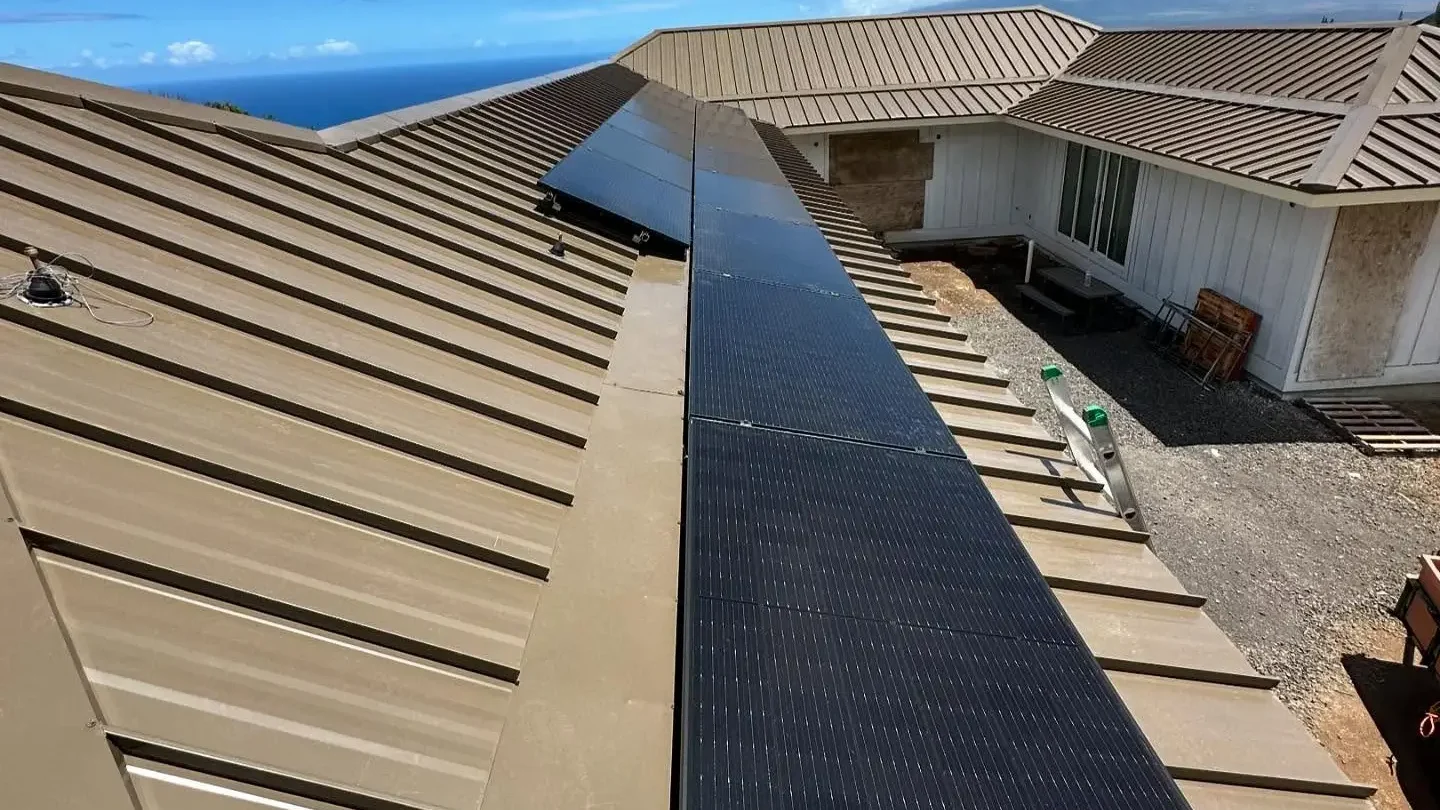
Solar Photovoltaic (PV) systems convert sunlight directly into electricity. That electricity powers your lights, appliances, air conditioning, and other household loads. Many Maui homes also use battery storage to provide power at night or during utility outages.
A solar PV system includes several components that must work together: panels, wiring, rapid-shutdown devices, inverters or microinverters, monitoring equipment, and sometimes batteries. When one part fails or communicates incorrectly, the entire system may produce less power—or stop producing power altogether.
What Is Solar Hot Water?
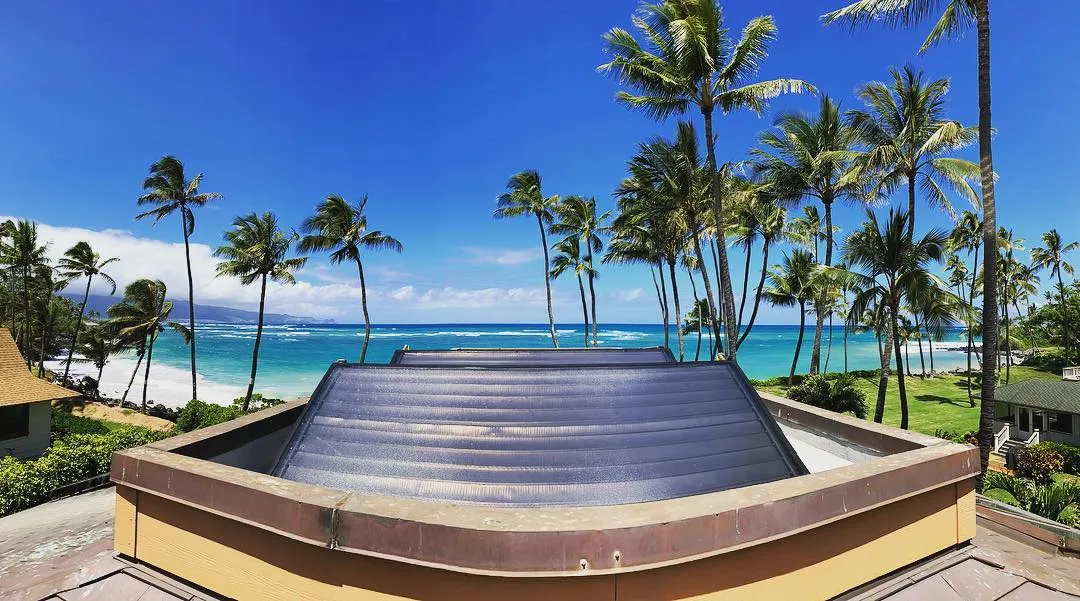
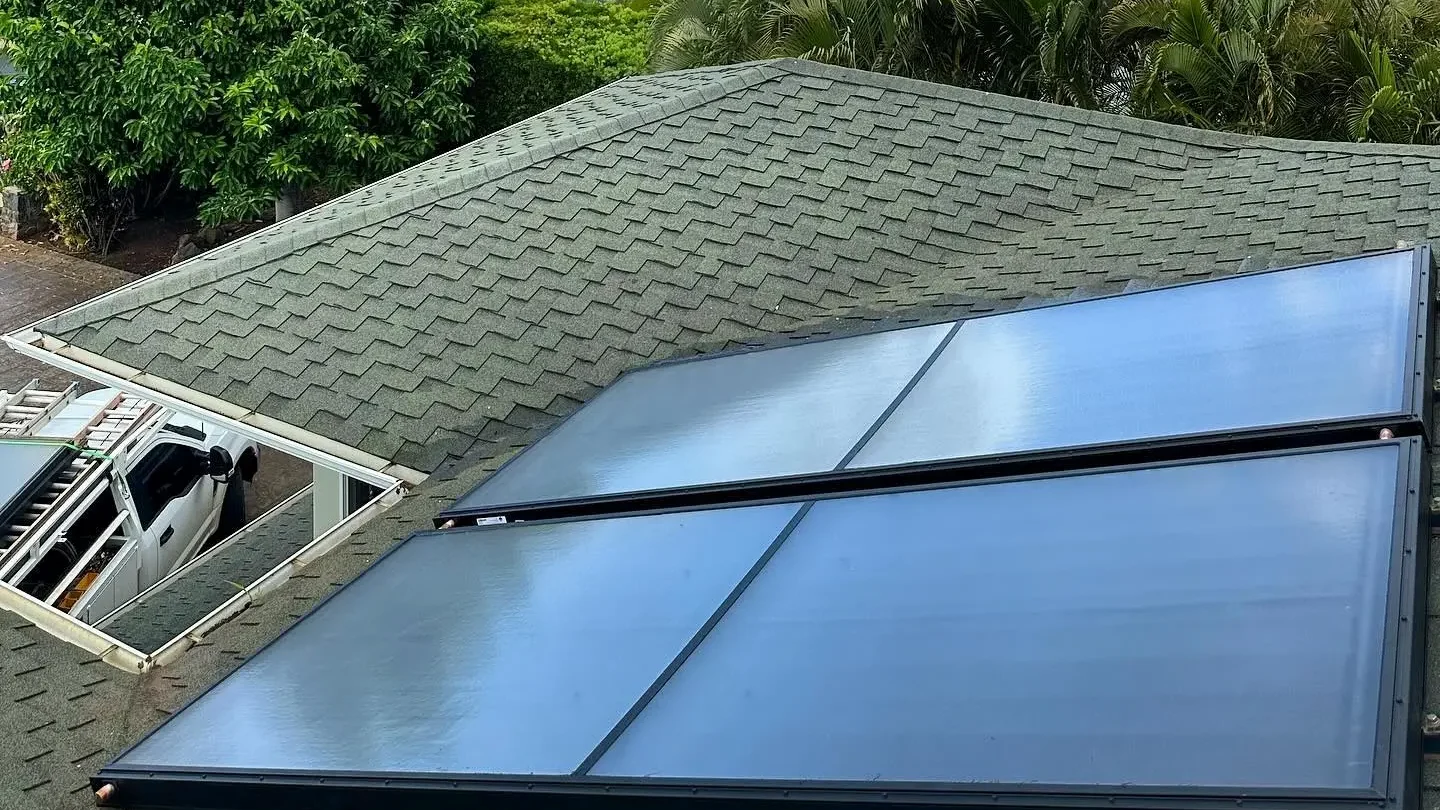
Solar Hot Water systems use the sun’s energy to heat water directly. Roof-mounted collectors absorb thermal energy and transfer it to a storage tank, reducing the electricity needed for showers, laundry, and dishwashing.
Unlike solar PV, solar hot water does not create electricity. Its job is focused and efficient: provide reliable hot water while lowering the energy your home uses for water heating.
The Key Difference: Electricity vs. Hot Water
Solar PV and solar hot water both use Maui’s abundant sunshine, but they solve different problems.
| Feature | Solar PV | Solar Hot Water |
|---|---|---|
| Primary purpose | Produces electricity | Heats water directly |
| Main components | Panels, inverters/microinverters, wiring, monitoring | Collectors, storage tank, pumps, valves, controls |
| Common issue | Inverter faults, communication errors, low production | Leaks, scale buildup, pump or sensor failure |
| Service need | Troubleshooting, inverter repair/replacement, monitoring diagnostics | Flushing, inspections, element and valve service |
| Best for | Homes with electrical loads, AC, EV charging | Homes with high hot-water demand |
If your PV system is offline or underperforming, the issue is often related to the inverter, microinverter, wiring, monitoring platform, or a component failure. If your hot water is inconsistent, your solar hot water system may have a circulation, sensor, tank, or collector issue.
Why Solar PV Systems Need Troubleshooting
Maui’s environment can be tough on rooftop solar equipment. Strong sun, salt air, wind, rain, and temperature changes can gradually affect connectors, mounting hardware, wiring, and electronic components.
A solar PV system may continue to look fine from the ground while quietly producing less energy than it should. That is why monitoring your system’s production and responding quickly to warning signs matters.
Common signs that your solar PV system needs service include:
-
Your monitoring app shows zero production or repeated error codes.
-
Your electric bill has increased without a clear change in household usage.
-
One or more panels appear to be producing far less than the others.
-
Your inverter displays a fault light, warning message, or shutdown code.
-
Your battery is not charging or discharging as expected.
-
Your system shuts down during certain times of day.
-
You notice damaged wiring, corroded connectors, or loose roof-mounted equipment.
-
Your system stopped reporting data to the monitoring platform.
Inverter and Microinverter Problems
The inverter is one of the most important parts of a solar PV system. It converts the direct current (DC) electricity produced by the panels into alternating current (AC) electricity used by your home.
String Inverters
A string inverter is a central unit that manages electricity from multiple panels connected together. If a string inverter fails, a large portion—or all—of the solar system may stop producing power.
Common string inverter issues include:
-
Overheating or ventilation problems.
-
Ground-fault or arc-fault errors.
-
Communication failures with monitoring software.
-
Firmware or configuration issues.
-
Failed internal components.
-
Grid-voltage or frequency-related shutdowns.
Microinverters
Microinverters are installed at the panel level and convert DC power to AC power for each individual panel. This design can improve performance when panels experience shading or different roof orientations, but it also means a failed microinverter can affect one panel while the rest of the system continues operating.
Common microinverter issues include:
-
One panel reporting zero production.
-
Repeated microinverter communication errors.
-
Monitoring data missing for individual panels.
-
Reduced production from a specific section of the roof.
-
Gateway or monitoring-device communication failures.
-
Moisture intrusion or connector damage.
Because microinverter issues can be panel-specific, professional diagnostics are important. The problem may be the microinverter itself, the panel, the wiring, the connector, or the monitoring gateway.
What Solar PV Troubleshooting Includes
A professional solar PV troubleshooting visit should identify the root cause—not simply reset the system and hope the error disappears.
At Laulima Solar, solar PV troubleshooting may include:
-
Reviewing inverter and microinverter error codes.
-
Testing DC and AC voltage and current where appropriate.
-
Inspecting wiring, connectors, conduits, and disconnects.
-
Checking monitoring data and production history.
-
Diagnosing inverter or microinverter faults.
-
Identifying underperforming panels or strings.
-
Inspecting roof-mounted equipment for physical damage.
-
Testing communication between inverters, gateways, and monitoring platforms.
-
Recommending repair or replacement options based on the findings.
The goal is to restore safe, reliable production and give the homeowner a clear explanation of what failed, why it failed, and what the repair options are.
Why Solar Hot Water Still Matters
Even if your home already has solar PV, a solar hot water system can still be a valuable part of your energy strategy. Water heating is a consistent daily load, especially in households with multiple occupants, frequent laundry, or high shower usage.
Solar hot water reduces the electricity needed to heat water, which can help lower overall household energy consumption. It also uses roof space efficiently because solar thermal collectors generally require less area than a full PV array.
For homeowners who already have PV, solar hot water can complement the existing system rather than compete with it. The PV system handles electrical loads, while the solar thermal system focuses on water heating.
Common Solar Hot Water Problems
Solar hot water systems are durable, but they still require occasional service. Common issues include:
-
Insufficient hot water during cloudy periods or high-demand days.
-
A backup heating element that runs too often.
-
Leaks at fittings, valves, tanks, or collectors.
-
Scale buildup that reduces heat transfer.
-
Failed circulation pumps, sensors, or controllers.
-
Air trapped in the system.
-
Corrosion caused by coastal salt air.
-
Damaged insulation or exposed piping.
If your solar hot water system is producing lukewarm water, making unusual noises, leaking, or relying heavily on the backup element, it is time for an inspection.
Can You Have Both Solar PV and Solar Hot Water?
Yes. Many Maui homes benefit from having both technologies.
Solar PV handles electricity for lighting, appliances, air conditioning, and other household loads. Solar hot water handles the thermal load associated with heating water. Together, they reduce demand on the electric grid and make better use of available roof space.
However, both systems need to be maintained. A solar PV system with a faulty inverter or microinverter may not produce expected power, while a neglected solar hot water system may quietly fall back on electric backup heating.
When to Call a Solar Service Professional
Contact a qualified solar technician if you notice any of the following:
-
Your PV system is offline or producing less than usual.
-
Your inverter or microinverter shows an error code.
-
Your monitoring app is missing data or reporting panel-level faults.
-
Your electric bill rises despite normal household usage.
-
Your solar hot water system is leaking or producing inconsistent hot water.
-
Your backup water heater is running more often than usual.
-
You see damaged wiring, corrosion, loose equipment, or signs of water intrusion.
Avoid attempting electrical diagnostics or roof-level repairs yourself. Solar systems involve high-voltage DC electricity, rooftop access, pressurized plumbing, and manufacturer-specific equipment. Professional service protects both your safety and your warranty coverage.
How Laulima Solar Can Help
Laulima Solar provides solar PV troubleshooting, inverter and microinverter diagnostics, repair coordination, and solar hot water service for Maui homeowners. We focus on helping owners of existing solar systems restore performance, resolve faults, and understand exactly what is happening with their equipment.
Whether your system has stopped reporting production, one panel is underperforming, your inverter is showing an error, or your solar hot water system needs attention, our team can help diagnose the issue and recommend the right next step.
Conclusion: Keep Your Solar Investment Working
Solar PV and solar hot water are both excellent uses of Maui’s sunshine, but they require different types of care. Solar PV systems depend on healthy inverters, microinverters, wiring, and monitoring equipment. Solar hot water systems depend on collectors, tanks, pumps, valves, and controls.
If your solar equipment is not performing as expected, do not wait for the problem to get worse. Early troubleshooting can prevent lost production, avoid more expensive repairs, and help your system continue delivering value for years.
Need help with an existing solar PV system in Maui? Contact Laulima Solar for professional solar PV troubleshooting, inverter and microinverter diagnostics, and solar hot water service.