Deciding to “go solar” is one of the smartest decisions a Maui homeowner can make. But once you start looking into options, you’ll encounter two primary technologies: Solar Photovoltaic (PV) and Solar Hot Water. While they both harness the abundant Hawaiian sun, they serve very different purposes and offer different financial returns.
In this guide, we’ll compare these two technologies side-by-side to help you decide which investment makes the most sense for your household, or why a combination of both might be the ultimate solution for energy independence on Maui.
Understanding the Basics
What is Solar PV?
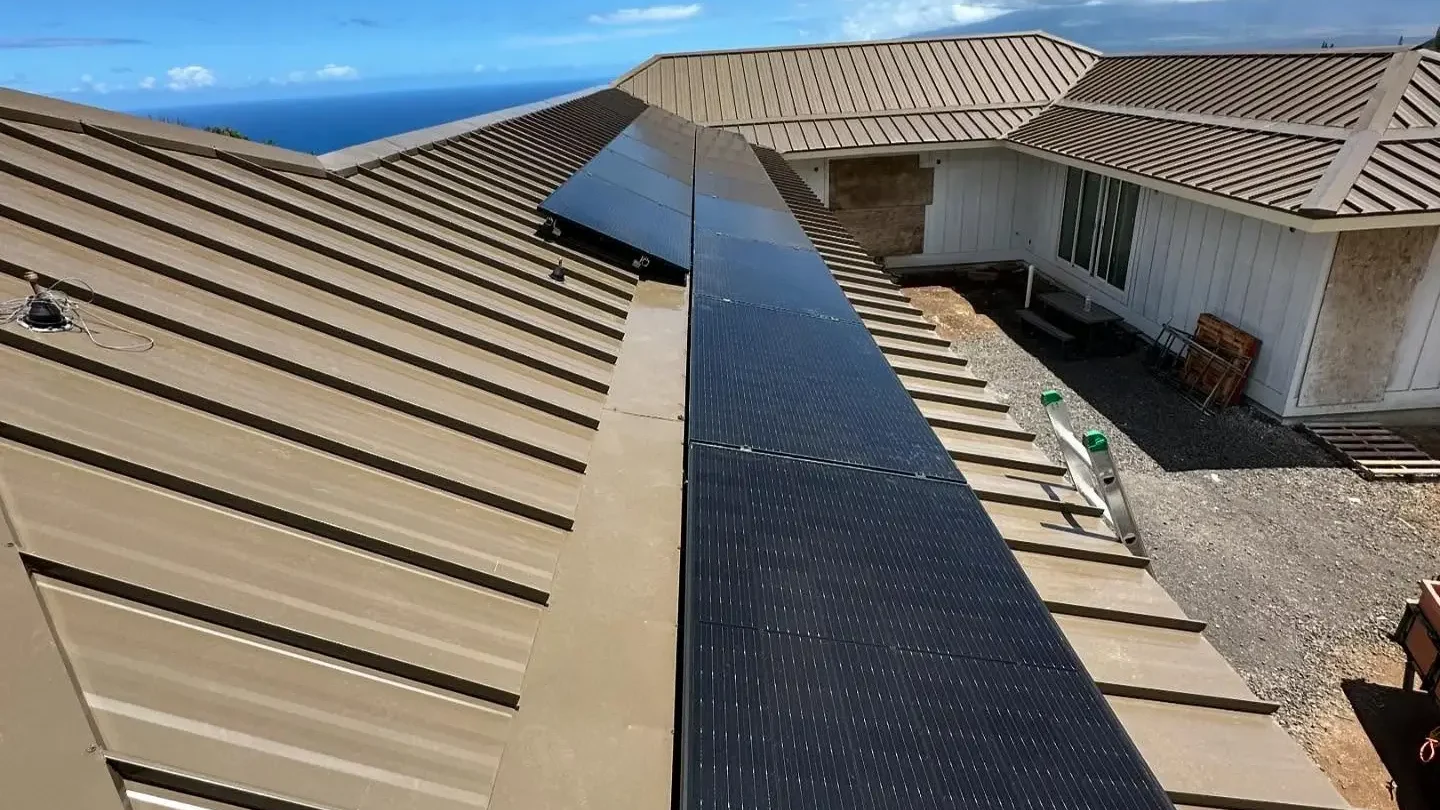
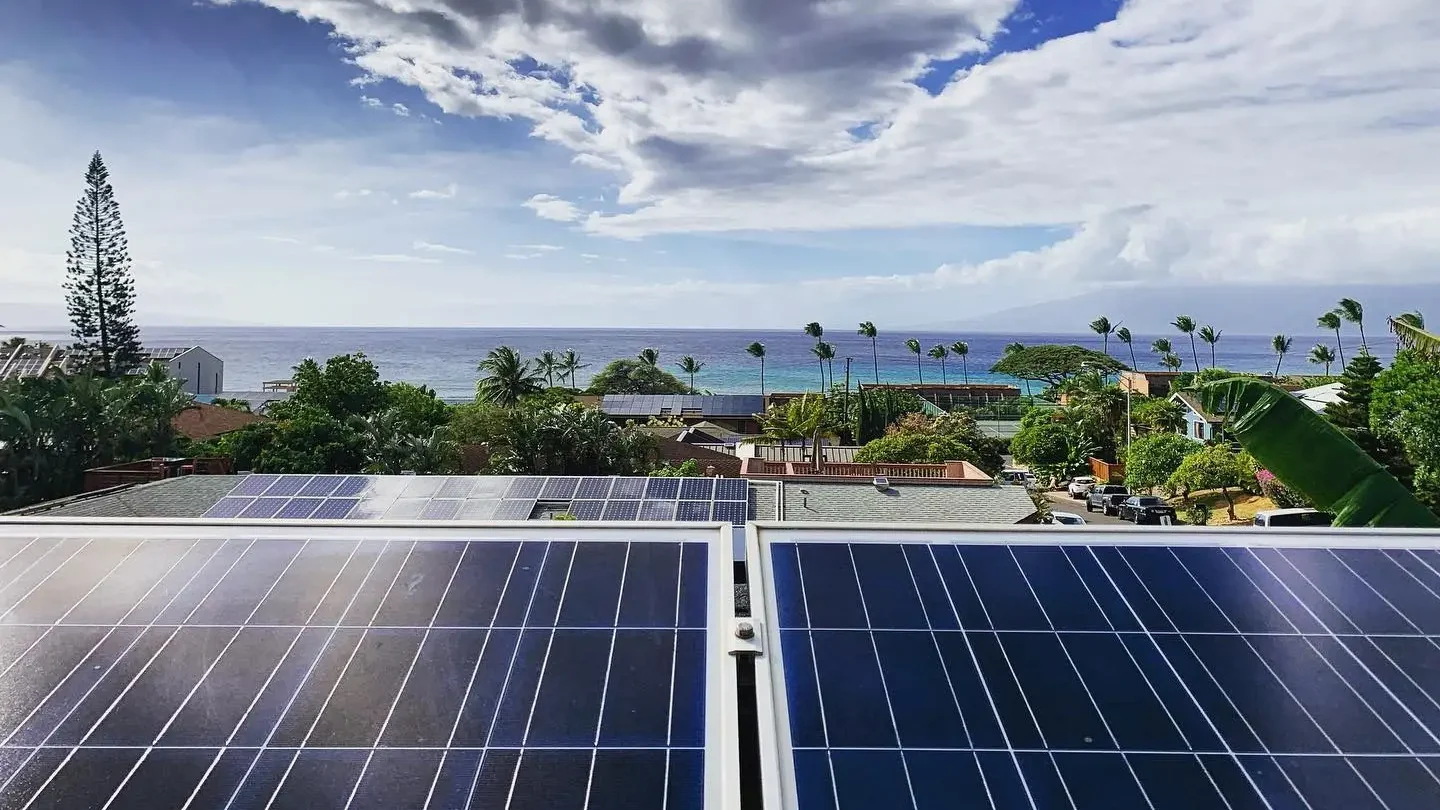
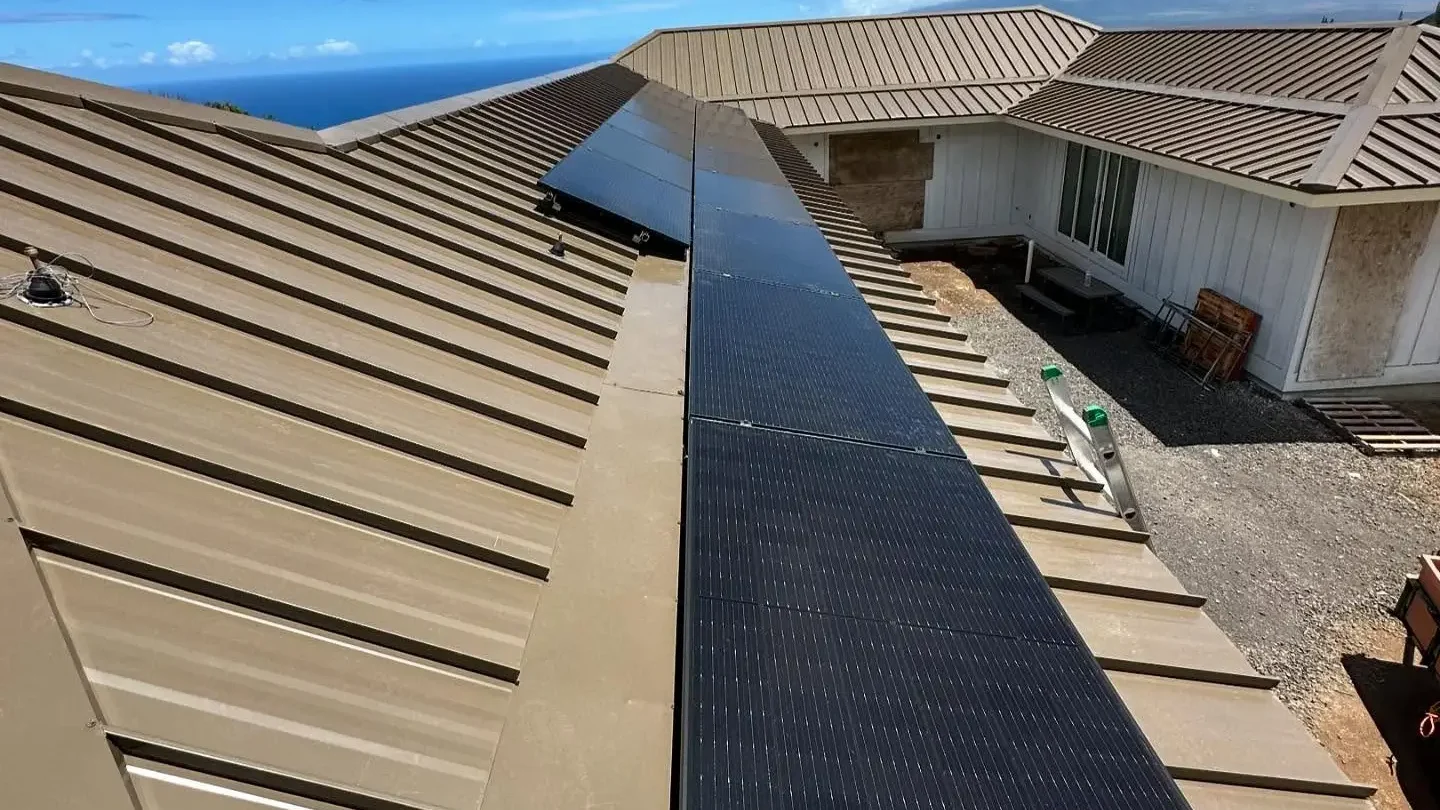
Solar Photovoltaic (PV) systems use semiconductor materials to convert sunlight directly into electricity. This electricity can power your lights, appliances, air conditioning, and even charge your electric vehicle. On Maui, PV systems are almost always paired with battery storage today to provide power at night and during outages.
What is Solar Hot Water?
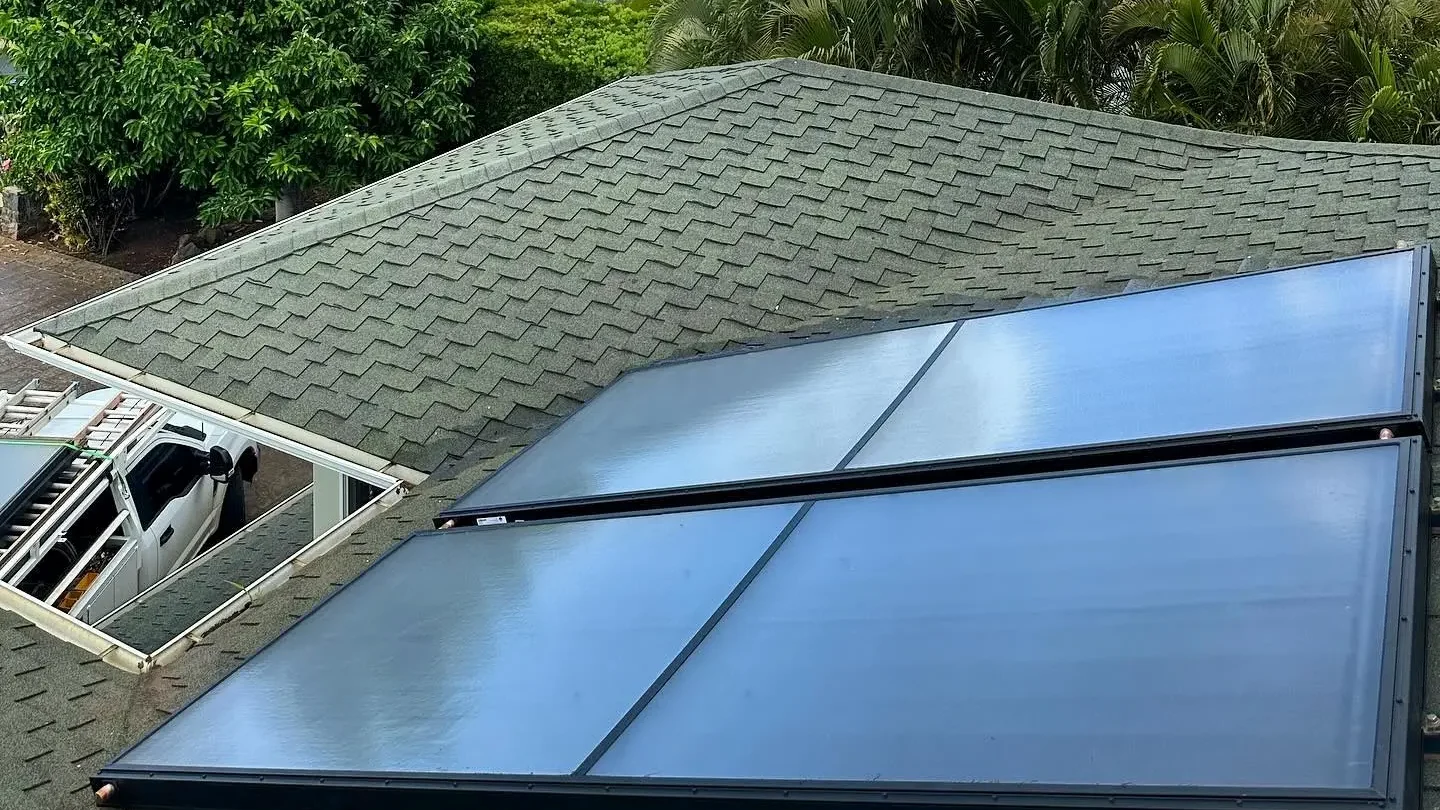
Solar Hot Water systems use the sun’s energy to heat water directly. Specialized collectors on your roof absorb thermal energy and transfer it to your water tank. This technology is incredibly efficient at one specific task: providing your home with high-temperature water for showers, laundry, and dishwashing without using a single kilowatt of electricity.
The Financial Breakdown
When it comes to return on investment (ROI), both systems are winners, but the timelines differ significantly due to upfront costs and utility savings.
| Feature | Solar PV (Eletric) | Solar Hot Water |
| Initial Cost | High ($15k – $30k+) | Low ($5k – $8k) |
| Average Payback | 6 – 9 Years | 3 – 4 Years |
| Available Credits | $5k State State Tax Credit | $2,250 State Tax Credit |
| Maintenance | Low (Inverter/Battery checks) | Moderate (Annual flushes required) |
Why Solar Hot Water is the “Low-Hanging Fruit”
For many Maui residents, especially those on a budget, solar hot water is the perfect first step. Because a massive portion of the average Maui utility bill goes toward heating water, eliminating that cost can result in immediate savings of $60 to $120 per month.
With a 2-3 year payback period, the system essentially pays for itself faster than almost any other home improvement investment. Once the system is paid off, you have free hot water for the next 15-20 years.
The Power of Solar PV for Modern Living
Solar PV is a more comprehensive solution. While the upfront cost is higher, the ability to offset your entire electric bill—including the high cost of running air conditioning in places like Kihei or Lahaina—is invaluable. With Maui’s high electricity rates, a well-designed PV system can save a homeowner $300 to $600+ per month.
PV also adds significant value to your home. In Maui’s real estate market, homes with owned solar systems and battery backup are highly sought after and often sell faster and for higher prices than homes without them.
Can You Have Both?
Absolutely. In fact, for many of our clients at Laulima Solar, this is the gold standard. By using Solar Hot Water to handle the thermal load and Solar PV to handle the electrical load, you maximize the efficiency of your roof space. Solar hot water collectors are much smaller than PV panels, allowing you to save the prime roof real estate for electricity generation.
Conclusion: Which One Should You Choose?
The answer depends on your goals:
- Choose Solar Hot Water if you want the fastest ROI and want to immediately eliminate 25% of your bill with a smaller upfront investment.
- Choose Solar PV if you want total energy independence, have high AC usage, or own an EV.
- Choose Both if you want the most efficient home possible and have the budget to invest in long-term sustainability.
Not sure which system is right for your roof?
Our team at Laulima Solar can provide a detailed analysis of your current energy usage and recommend the best configuration for your Maui home.