As electricity rates on Maui continue to climb, reaching nearly triple the national average, more homeowners are looking for ways to gain energy independence. The good news? 2026 remains a strategic year for solar in Hawaii. Between local state-level tax credits, specialized rebates, and utility-specific programs, the “payback period” for a solar investment on Maui continues to be one of the shortest in the nation.
At Laulima Solar LLC, we help our neighbors navigate the landscape of solar financing and local incentives. In this comprehensive guide, we’ll break down exactly how you can maximize your savings and why starting your project today is the best way to hedge against rising utility costs over the life of your system.
1. Hawaii State Solar Tax Credits
Hawaii is a pioneer in renewable energy, and the state’s tax incentives reflect that. Residential customers on Maui can take advantage of the state Renewable Energy Technologies Income Tax Credit (RETITC). This credit is a major driver for solar adoption, offering significant offsets based on the system type:
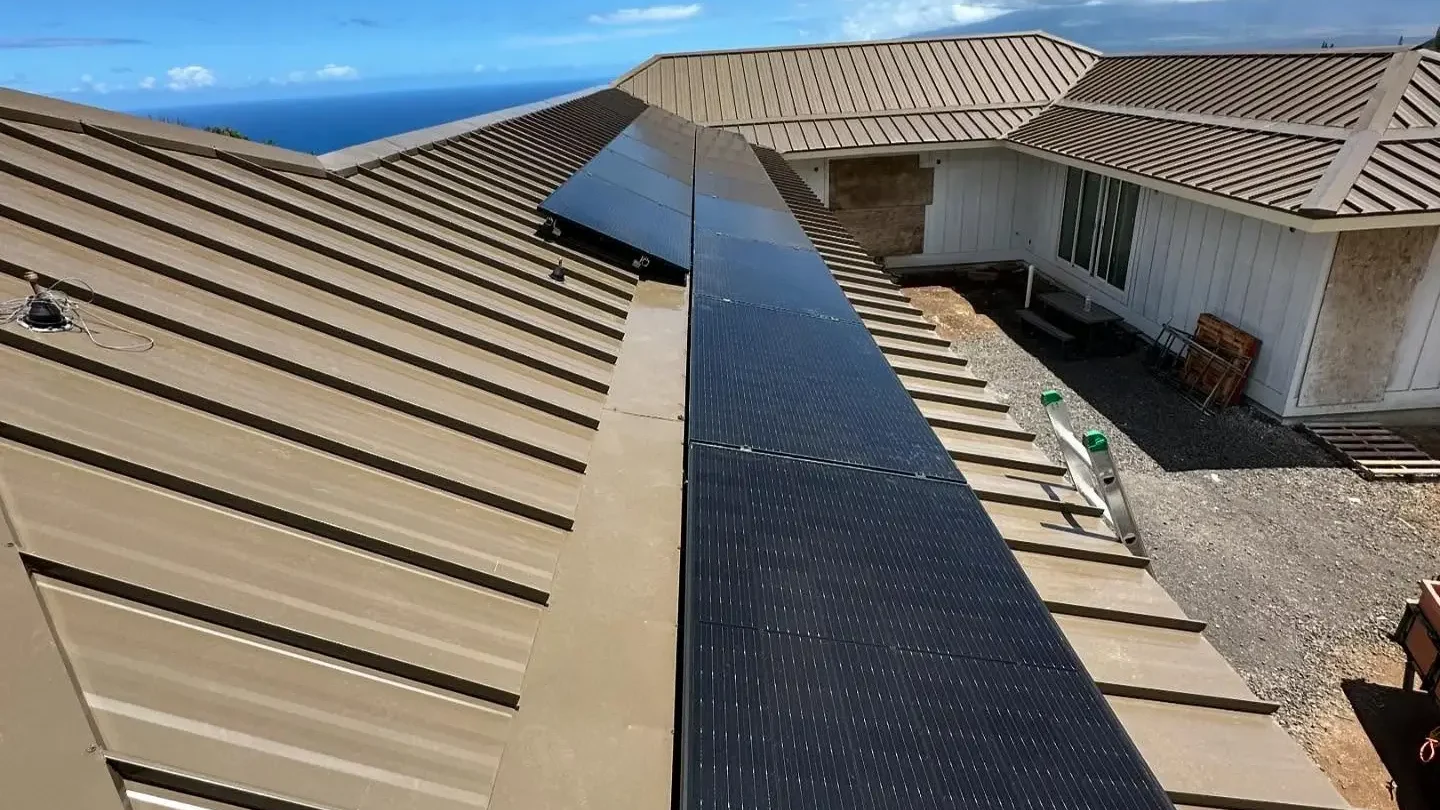
- Solar PV: Up to $5,000 per 5 kW system. (Learn about PV systems in Maui).
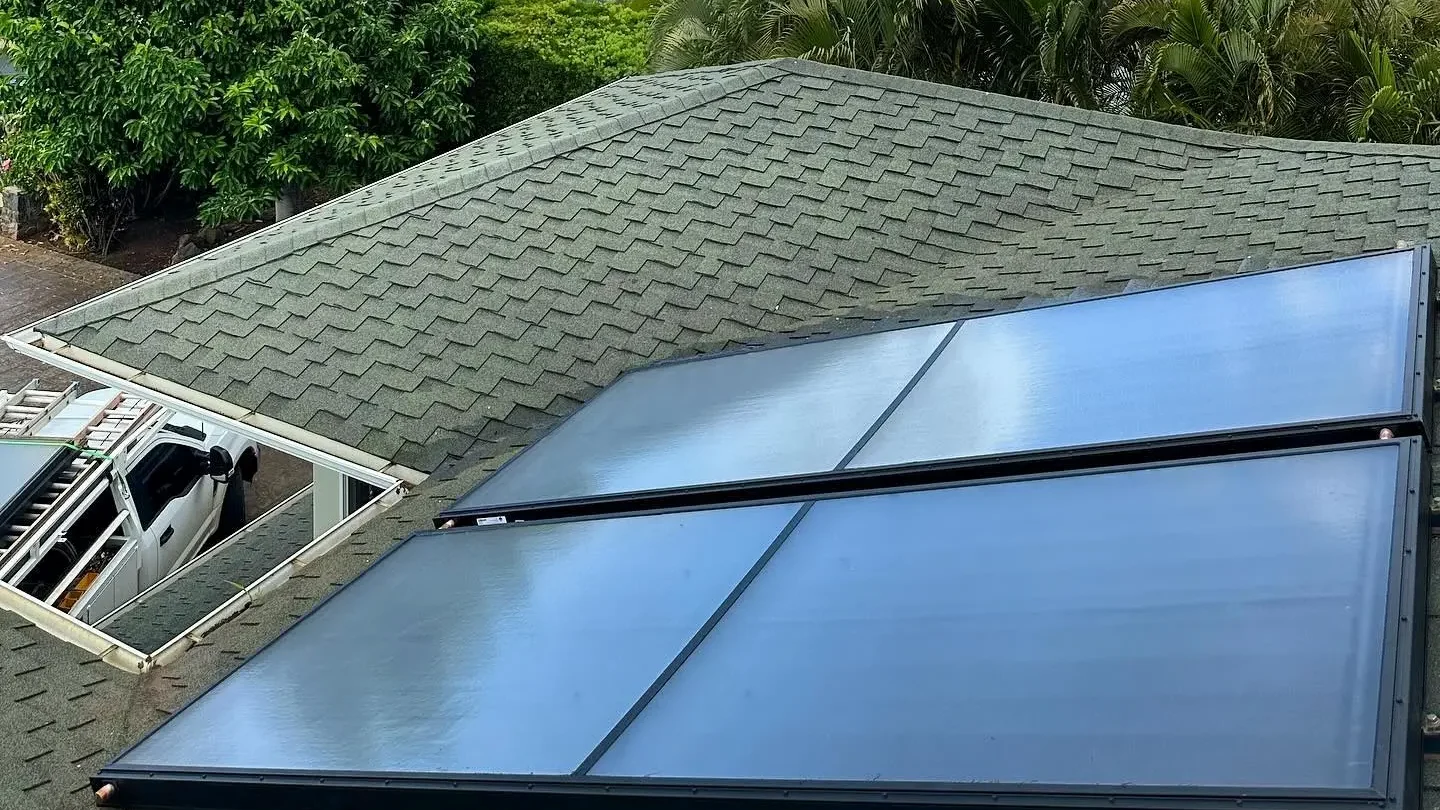
- Solar Hot Water: Up to $2,250 per system. (Learn about hot water savings).
Even without the previous federal incentives, these state-level credits—combined with Maui’s high utility rates—ensure that solar remains the highest-yielding investment you can make for your home in 2026.
2. HECO Programs: Battery Bonus & Grid Services
Hawaiian Electric (HECO) has shifted its focus towards grid stabilization. For Maui residents, this means new opportunities to get paid for your solar energy. Programs like the “Battery Bonus” (formally known as the Scheduled Dispatch Program) provide a one-time upfront payment for homeowners who install battery storage and agree to discharge a portion of that energy during peak evening hours.
Additionally, participating in “Grid Services” programs allows you to earn monthly bill credits by letting the utility occasionally draw from your battery to prevent power outages in the community. It’s a win-win: you help keep Maui’s grid stable, and you get paid for it.
3. The Solar Hot Water Advantage
Many people overlook solar hot water in favor of PV, but on Maui, hot water accounts for nearly 25% to 30% of the average household’s energy bill. A solar hot water system is remarkably efficient and typically has a payback period of just 2 to 3 years.
Because these systems are less complex than PV, they are an excellent entry point for homeowners looking to slash their utility bills immediately with minimal upfront investment. Laulima Solar specializes in both repair and installation of these high-efficiency systems.
4. Why Maui Residents Should Act Now
Wait times for permits and utility approvals on Maui can vary. By starting your project in early 2026, you ensure that your system is energized and operational during the long, sunny summer months when your energy needs are highest (and your savings potential is greatest).
Moreover, as Hawaii moves closer to its “100% Renewable by 2045” goal, program structures are constantly evolving. Locking in your interconnection agreement under current rules provides long-term certainty for your investment.
Ready to Slash Your Maui Electric Bill?
Contact Laulima Solar LLC today for a free audit and customized solar quote. We’ll help you estimate your exact tax credit savings and design a system that fits your home’s needs.